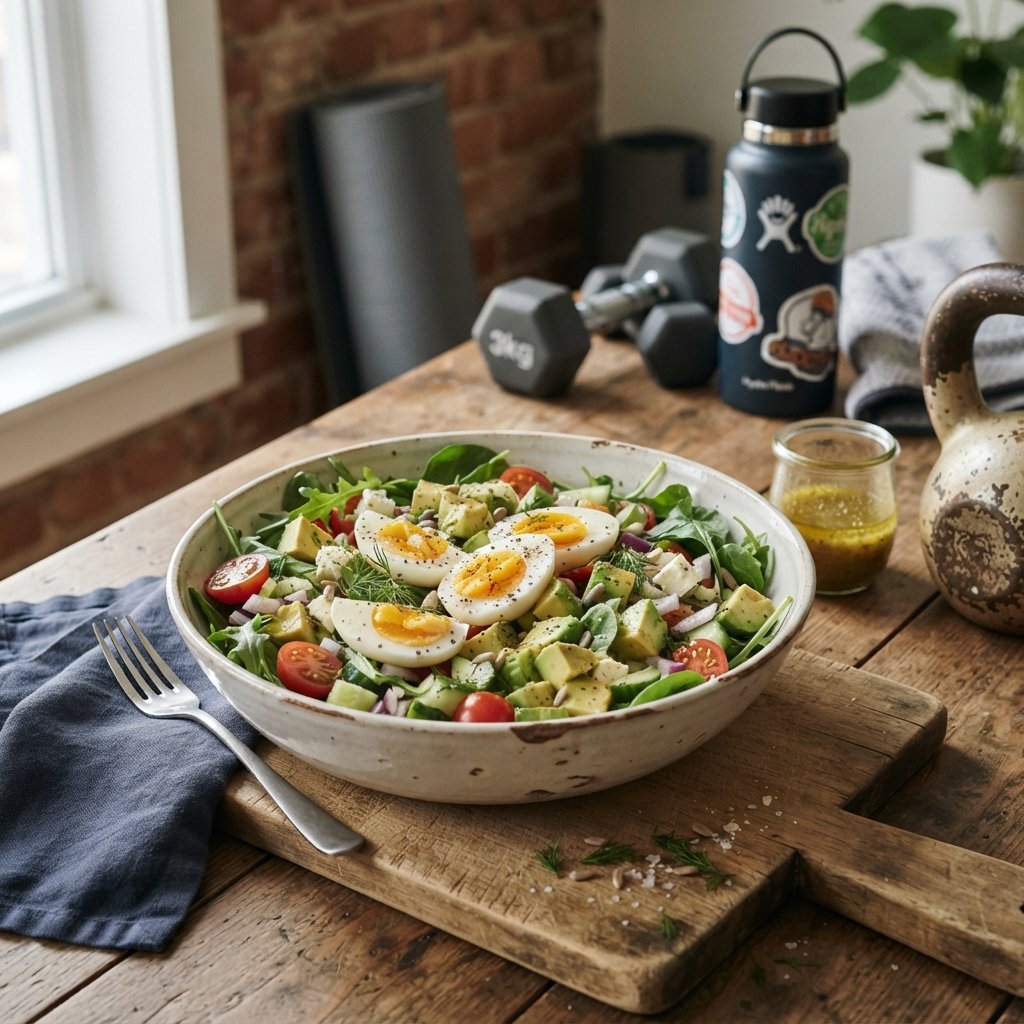
The Ultimate Workout Egg Avocado Salad
Introduction
Fueling your body correctly after a strenuous workout is just as critical as the exercise itself. The post-workout window is a unique physiological state where your muscles are primed to absorb nutrients, repair micro-tears, and replenish glycogen stores. Enter the Workout Egg Avocado Salad, a culinary powerhouse designed specifically for athletes, fitness enthusiasts, and anyone seeking a nutrient-dense meal that supports muscle recovery and sustained energy. This dish is not merely a combination of ingredients; it is a strategic nutritional tool that balances high-quality protein with heart-healthy monounsaturated fats.
When you engage in resistance training or high-intensity interval training, your body demands amino acids to rebuild muscle tissue and fats to regulate hormones and reduce inflammation. Eggs provide a complete protein profile containing all nine essential amino acids, while avocados offer a creamy texture rich in potassium and healthy oils that promote satiety. Together, they create a synergistic effect that stabilizes blood sugar levels, prevents the dreaded post-workout crash, and keeps you feeling full for hours. Whether you are bulking, cutting, or maintaining, this salad adapts to your macros while delivering exceptional flavor.
Beyond the physiological benefits, this salad represents a shift towards whole-food nutrition. In an era dominated by processed protein bars and sugary shakes, returning to simple, recognizable ingredients is a revolutionary act of self-care. This recipe is designed to be quick enough for a busy weekday lunch yet sophisticated enough to satisfy your culinary cravings. It eliminates the need for heavy mayonnaise-based dressings, relying instead on the natural creaminess of the avocado to bind the ingredients. The result is a refreshing, vibrant, and incredibly satisfying meal that honors the hard work you put in at the gym.
The History
The story of the egg in human nutrition is as old as civilization itself. Ancient cultures, from the Egyptians to the Romans, revered the egg as a symbol of life and fertility, but also recognized its sustenance value. Soldiers in ancient legions were often fed eggs to maintain strength during long marches. In the modern era, the egg became a staple of the bodybuilding community in the mid-20th century. Golden age bodybuilders relied on dozens of egg whites to sculpt their physiques, though today we understand the value of the yolk contains vital nutrients like choline and vitamin D that are essential for overall health and performance.
Avocados, on the other hand, have a rich history originating in south-central Mexico dating back to approximately 5,000 BC. The Aztecs called the fruit ahuacatl, and it was prized not only for its flavor but for its perceived properties as an aphrodisiac and energy booster. For centuries, it remained a regional delicacy until global trade routes expanded in the 20th century. As fitness culture evolved in the 1990s and 2000s, the avocado transitioned from a gourmet garnish to a superfood status. Nutritionists began highlighting its unique fat profile, which supports cardiovascular health rather than hindering it.
The convergence of eggs and avocados in a salad format is a modern innovation born out of the low-carb and keto movements of the early 21st century. As athletes sought alternatives to carbohydrate-heavy post-workout meals, the combination of protein-dense eggs and fat-dense avocados provided the perfect macronutrient split. This salad represents the culmination of centuries of dietary wisdom, merging ancient sustenance with modern sports science to create a meal that optimizes human performance.
Ingredients Breakdown
To truly understand the power of this salad, we must analyze each component through the lens of sports nutrition. Every ingredient serves a specific functional purpose beyond mere flavor.
Hard-Boiled Eggs: The cornerstone of this recipe. Eggs are considered the gold standard for protein bioavailability, meaning your body can absorb and utilize the protein efficiently. Each egg provides approximately 6 grams of protein and 5 grams of fat. The yolks are particularly rich in leucine, an amino acid critical for triggering muscle protein synthesis. Additionally, eggs contain zinc and B vitamins, which are essential for energy metabolism and immune function.
Ripe Avocados: The binding agent and fat source. Avocados are unique among fruits because they are high in fat rather than sugar. They are packed with oleic acid, a monounsaturated fat that helps reduce inflammation caused by intense exercise. They are also higher in potassium than bananas, which is vital for preventing muscle cramps and maintaining proper nerve function during recovery.
Fresh Lemon Juice: The preservative and flavor enhancer. Lemon juice adds acidity that cuts through the richness of the egg and avocado. From a chemical standpoint, the citric acid helps prevent the avocado from oxidizing and turning brown too quickly. Vitamin C in the lemon also aids in the absorption of iron from the eggs and any leafy greens you might add.
Red Onion: The crunch and antioxidant boost. Red onions provide a sharp contrast in texture. They are rich in quercetin, a flavonoid antioxidant that has been shown to improve endurance exercise performance and reduce muscle damage. They also support heart health by helping to lower blood pressure.
Fresh Herbs (Cilantro or Parsley): The micronutrient dense garnish. Often overlooked, fresh herbs are incredibly nutrient-dense. Parsley is high in vitamin K, which is important for bone health, while cilantro may help heavy metal detoxification. They add freshness without adding calories.
Sea Salt and Black Pepper: The electrolyte regulators. Salt is not the enemy for athletes; it is an essential electrolyte lost through sweat. Proper sodium intake post-workout helps with hydration and nutrient uptake. Black pepper contains piperine, which enhances the bioavailability of nutrients from the other ingredients.
Step-by-Step Recipe
Creating the perfect Workout Egg Avocado Salad requires attention to detail, particularly in the preparation of the eggs and the handling of the avocado. Follow this narrative guide to ensure the best texture and flavor profile.
Phase 1: Perfecting the Eggs
The journey begins with the eggs. Place your eggs gently into a saucepan and cover them with cold water by at least an inch. Starting with cold water prevents the shells from cracking due to thermal shock. Bring the water to a rolling boil over high heat. Once boiling, cover the pan and remove it from the heat source. Let the eggs sit in the hot water for exactly 10 to 12 minutes. This method ensures the whites are firm but not rubbery, and the yolks are fully set without developing a green ring, which indicates overcooking.
Phase 2: The Cooling Process
While the eggs are steeping, prepare an ice bath in a large bowl. This is a critical step often skipped by amateurs. Once the timer goes off, immediately transfer the eggs into the ice bath. Let them cool for at least 5 minutes. This stops the cooking process instantly and contracts the egg inside the shell, making peeling significantly easier. Peel the eggs under running cold water to help slide the shell off smoothly without damaging the white.
Phase 3: Avocado Preparation
Select an avocado that yields slightly to gentle pressure but is not mushy. Slice it lengthwise around the pit, twist to open, and remove the pit safely with a knife. Scoop the flesh out with a spoon. To ensure a creamy consistency that mimics a dressing, mash half of the avocado in a separate bowl with a fork until smooth. Dice the remaining half into cubes to provide textural contrast in the final salad.
Phase 4: Assembly and Mixing
Chop the hard-boiled eggs into bite-sized chunks. Place them in a large mixing bowl along with the diced avocado, finely chopped red onion, and fresh herbs. Add the mashed avocado paste, lemon juice, salt, and pepper. Gently fold the ingredients together using a spatula. Be careful not to overmix, as you want to maintain some distinct chunks of egg and avocado rather than creating a homogeneous paste. Taste and adjust seasoning as needed before serving.
Tips
- Prevent Browning: Avocados oxidize quickly when exposed to air. To keep the salad fresh for meal prep, press a piece of plastic wrap directly onto the surface of the salad before sealing the container. This limits air exposure.
- Egg Peeling Hack: Older eggs peel easier than fresh farm eggs. If you have fresh eggs, add a teaspoon of baking soda to the boiling water to help loosen the membrane.
- Texture Control: If you prefer a creamier salad, mash more of the avocado. If you prefer a chunky salad, dice all of the avocado and use Greek yogurt as a binder instead.
- Temperature Matters: This salad is best served chilled. Allow the eggs to cool completely before mixing to prevent the avocado from becoming warm and oily.
- Seasoning Timing: Salt draws out moisture. If preparing this ahead of time, wait to add the salt until just before serving to prevent the onions and avocados from becoming watery.
- Knife Safety: When removing the avocado pit, always strike it with the knife blade while the avocado is on a cutting board, not in your hand, to avoid serious injury.
- Hydration: Because this meal is high in protein and fiber, ensure you drink plenty of water alongside it to aid digestion.
- Organic Choice: Whenever possible, choose organic eggs and avocados to minimize exposure to pesticides and hormones, ensuring the cleanest fuel for your body.
Variations and Customizations
One of the greatest strengths of this salad is its versatility. Depending on your specific fitness goals or dietary restrictions, you can modify the base recipe without compromising its nutritional integrity.
The High-Protein Bulk: For those looking to maximize muscle gain, add a can of drained tuna or shredded chicken breast to the mix. This increases the protein content significantly without adding much fat, allowing you to hit higher protein macros for the day.
The Keto Boost: To increase the fat content for ketogenic diets, drizzle extra virgin olive oil over the top or add a handful of macadamia nuts. You can also add crumbled bacon bits for a savory, smoky flavor that complements the eggs.
The Carb-Refuel: If you have just completed a long endurance session and need glycogen replenishment, mix in cooked quinoa, brown rice, or diced sweet potatoes. This transforms the salad from a low-carb option into a balanced recovery meal with complex carbohydrates.
The Vegan Adaptation: While eggs are central to this recipe, vegans can substitute firm tofu scrambled with turmeric for the eggs. Use silken tofu blended with lemon juice to mimic the creamy mashed avocado dressing.
The Spicy Kick: Metabolism boosters can be added by incorporating diced jalapeños, a dash of cayenne pepper, or a drizzle of hot sauce. Capsaicin found in chili peppers can slightly increase metabolic rate and adds excitement to the palate.
The Green Machine: Expand the micronutrient profile by folding in a generous amount of chopped spinach, kale, or arugula. This adds volume to the meal, allowing you to eat a larger portion for the same calorie count, which is helpful for cutting phases.
Health Considerations and Nutritional Value
Understanding the nutritional landscape of this salad is key to integrating it into your long-term health strategy. This meal is naturally gluten-free, grain-free, and suitable for Paleo and Whole30 diets.
Macronutrient Profile: A standard serving provides a balanced ratio of macros. You can expect approximately 20-25 grams of protein, 15-20 grams of healthy fats, and less than 5 grams of net carbohydrates. This makes it ideal for maintaining stable insulin levels throughout the day.
Cholesterol Myths: For years, dietary cholesterol in eggs was demonized. Modern research indicates that for the majority of the population, dietary cholesterol has a minimal impact on blood cholesterol levels. The nutrients in the yolk outweigh the risks for most active individuals. However, those with specific genetic conditions regarding cholesterol should consult a physician.
Heart Health: The monounsaturated fats in avocados are linked to improved heart health markers. They help lower LDL (bad) cholesterol while maintaining HDL (good) cholesterol. Combined with the potassium content, this salad supports healthy blood pressure regulation.
Digestive Health: Both eggs and avocados are generally easy to digest, especially compared to heavy meat meals. The fiber from the avocado and onions supports gut health and regularity, which is often neglected in high-protein diets.
Caloric Density: While nutrient-dense, this salad is also calorie-dense due to the fats. Portion control is important if you are in a weight loss phase. One serving is typically satisfying enough to prevent snacking, which aids in overall calorie deficit management.
Allergen Information: This recipe contains eggs, which are a common allergen. Always ensure that anyone consuming this meal does not have an egg allergy. Cross-contamination should be avoided in shared kitchen spaces.
Ingredients
- 4 large hard-boiled eggs, peeled and chopped
- 2 ripe medium avocados
- 1 tablespoon fresh lemon juice (approx. half a lemon)
- 1/4 cup red onion, finely diced
- 2 tablespoons fresh cilantro or parsley, chopped
- 1/2 teaspoon sea salt, or to taste
- 1/4 teaspoon freshly cracked black pepper
- Optional: 1 teaspoon olive oil for extra richness
- Optional: Pinch of red pepper flakes for heat
Directions
- Place eggs in a saucepan and cover with cold water by one inch.
- Bring to a boil, cover, remove from heat, and let stand for 10-12 minutes.
- Transfer eggs to an ice bath to cool completely, then peel and chop.
- Cut avocados in half, remove pits, and scoop flesh into a bowl.
- Mash one avocado with lemon juice until smooth; dice the second avocado.
- Combine chopped eggs, diced avocado, mashed avocado mixture, and red onion in a large bowl.
- Add fresh herbs, salt, and pepper to the mixture.
- Gently fold all ingredients together until well combined but still chunky.
- Taste and adjust seasoning with more salt or lemon juice if desired.
- Serve immediately chilled or store in an airtight container for up to 24 hours.
FAQ
How long does this salad last in the fridge?
Due to the avocado, this salad is best consumed within 24 hours. After that, the avocado may begin to oxidize and become bitter, and the texture may degrade. Using extra lemon juice can extend this slightly.
Can I use egg whites only?
Yes, if you are strictly limiting fat intake, you can use hard-boiled egg whites. However, you will lose the nutrients found in the yolk, and you may need to add a different fat source to maintain satiety.
Is this suitable for meal prep?
It is suitable for short-term meal prep. Prepare the components separately if possible. Store the chopped eggs and onions in one container and the avocado mixture in another, combining them only when ready to eat.
What can I substitute for red onion?
If you find red onion too sharp, you can substitute it with green onions (scallions) or chives for a milder flavor. Shallots are another excellent alternative that provides sweetness.
Can I freeze this salad?
No, neither eggs nor avocados freeze well in this format. The texture will become watery and mushy upon thawing. Always keep this recipe refrigerated.
How do I know if the avocado is ripe?
A ripe avocado should feel slightly soft when squeezed gently in the palm of your hand. If it is rock hard, it is unripe. If it feels mushy or leaves an indent, it is overripe.
Is this salad keto-friendly?
Yes, this salad is inherently keto-friendly as it is high in fat and moderate in protein with very low carbohydrates, fitting perfectly into ketogenic macronutrient ratios.
Summary
This Workout Egg Avocado Salad delivers essential protein and healthy fats for optimal muscle recovery and sustained energy.
Prepare it fresh for the best texture, and customize it to fit your specific fitness goals and dietary needs.