Introduction
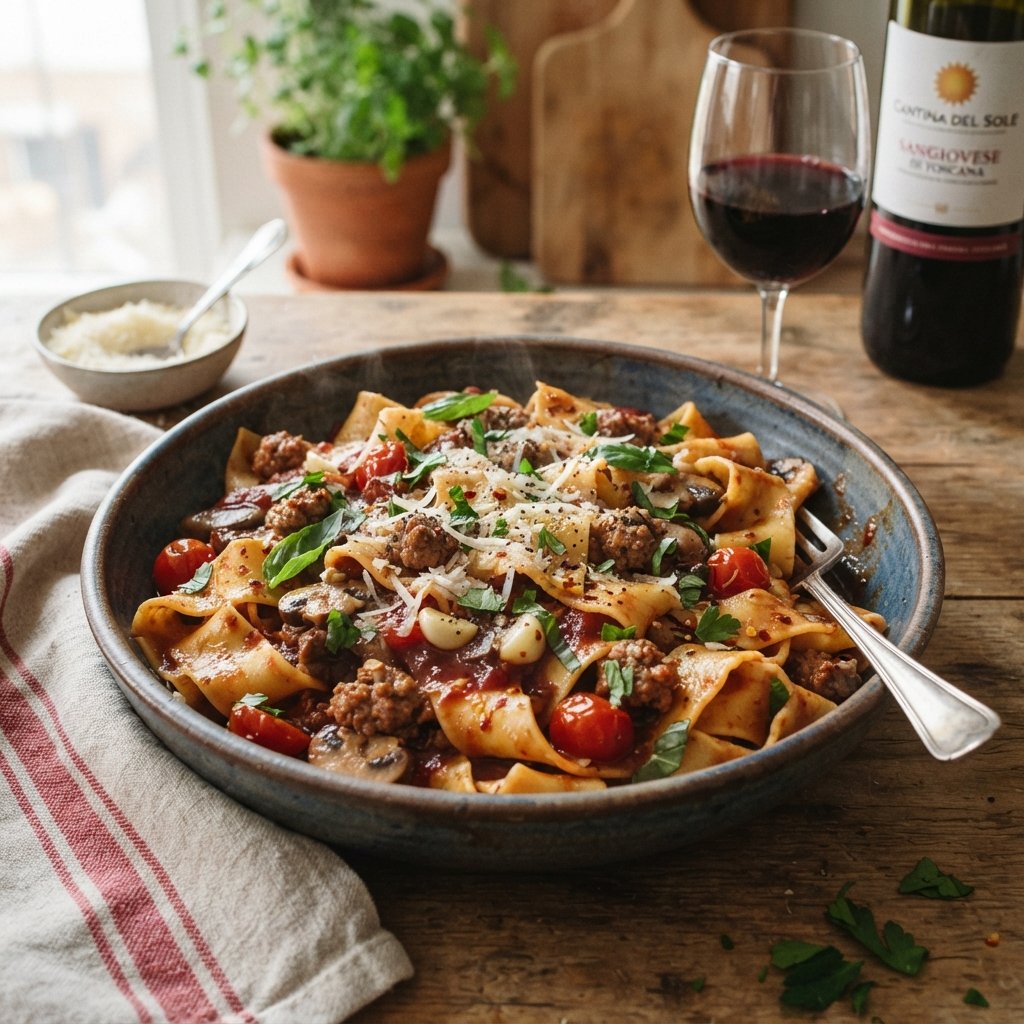
Welcome to the ultimate guide on crafting one of the most comforting, flavorful, and soul-satisfying dishes in the Italian-American canon: Italian Drunken Noodles. This dish is not merely a meal; it is an experience that engages the senses from the moment the sausage hits the hot pan to the final twirl of wine-infused pasta on your fork. Known for its robust flavors, aromatic herbs, and the distinctive depth provided by a generous splash of wine, Drunken Noodles have become a staple in home kitchens and rustic trattorias alike. The name might suggest a lack of sobriety in the kitchen, but the result is a carefully balanced symphony of savory, sweet, and tangy notes that elevate simple ingredients into something extraordinary. Whether you are hosting a lively dinner party, seeking a hearty weeknight rescue, or simply wanting to explore the rich tapestry of Italian-inspired cuisine, this recipe promises to deliver warmth and satisfaction in every bite. Prepare to immerse yourself in the aromas of garlic, fennel, and simmering wine as we unlock the secrets behind this legendary pasta dish.
The History
The origins of Italian Drunken Noodles, often referred to in Italian as Pasta Ubriaca, are shrouded in folklore and culinary tradition, blending the lines between authentic Italian heritage and Italian-American innovation. One popular theory suggests that the dish originated in the homes of Italian immigrants who sought to utilize leftover wine from Sunday dinners. Rather than letting the wine go to waste, it was poured into the pan to deglaze the savory bits left behind by cooking sausage and peppers, creating a rich, reduced sauce that clung beautifully to the pasta. Another legend posits that the name comes from the cooks themselves, who would enjoy a glass or two of wine while preparing the meal, leading to a loose, improvisational cooking style that resulted in this forgiving and flavorful dish.
Historically, the use of wine in cooking dates back centuries in Italy, where wine was often safer to drink than water and was readily available in every household. The concept of “drunken” pasta implies that the noodles are soaked or bathed in wine, allowing the alcohol to evaporate while leaving behind the complex acids and fruit notes that enhance the meat and vegetables. Over time, the recipe evolved in America, incorporating sweeter Italian sausages and bell peppers that were more readily available in the New World, transforming it into the hearty casserole-style or skillet pasta we recognize today. It stands as a testament to the resourcefulness of home cooks who turned humble pantry staples into a celebration of flavor.
Ingredients Breakdown
To truly master Italian Drunken Noodles, one must understand the role each component plays in the final profile of the dish. It is not enough to simply throw ingredients together; understanding the why behind the what ensures culinary success.
The Pasta
The foundation of the dish is the pasta. Traditionally, wide noodles such as fettuccine, pappardelle, or even rigatoni are preferred. These shapes have a larger surface area and nooks that capture the wine reduction and sausage juices effectively. Thin pastas like angel hair may become soggy under the weight of the sauce, while sturdy shapes hold their texture during the final toss.
The Sausage
Italian sausage is the heart of this recipe. Sweet sausage provides a savory, fennel-forward base, while hot sausage introduces a kick of red pepper flakes that cuts through the richness of the wine. Many cooks prefer a mixture of both to achieve a balanced heat level. The casing should be removed to allow the meat to brown evenly and crumble into bite-sized pieces that distribute throughout the dish.
The Wine
The “drunken” element relies heavily on the wine choice. A dry white wine like Pinot Grigio or Sauvignon Blanc offers acidity and brightness, while a dry red wine like Merlot or Chianti provides depth and tannins that complement the beefy notes of the sausage. Avoid cooking wines with added salt; use a wine you would enjoy drinking to ensure the best flavor profile.
The Aromatics and Vegetables
Onions and bell peppers provide sweetness and texture, softening as they simmer to meld with the sauce. Garlic is non-negotiable, added later to prevent burning, offering a pungent backbone. Fresh herbs like basil or parsley added at the end bring a burst of color and freshness that lifts the heavy flavors of the meat and alcohol.
Step-by-Step Recipe
Creating the perfect batch of Drunken Noodles is a process that rewards patience and attention to heat management. Follow this narrative guide to walk through the cooking process with confidence.
Phase 1: Preparation and Browning
Begin by bringing a large pot of salted water to a boil. While waiting, remove the casing from your Italian sausage. In a large, deep skillet or Dutch oven, heat a drizzle of olive oil over medium-high heat. Add the sausage, breaking it up with a wooden spoon. The goal here is to achieve a deep golden-brown crust on the meat, known as the Maillard reaction, which develops complex flavors. Do not rush this step; undercooked grey sausage will lack the necessary depth.
Phase 2: Building the Base
Once the sausage is browned, add sliced onions and bell peppers to the pan. Sauté these until they begin to soften and caramelize slightly, which should take about five to seven minutes. Add minced garlic during the last minute of cooking to ensure it becomes fragrant without turning bitter. Drain any excessive grease if necessary, but leave a little behind for flavor.
Phase 3: The Deglaze
This is the critical moment. Pour in your chosen wine. You will hear a vigorous sizzle as the liquid hits the hot pan. Use your spoon to scrape up the browned bits (fond) from the bottom of the pan; this is pure flavor. Allow the wine to simmer rapidly for several minutes until it reduces by half. This cooks off the harsh alcohol smell while concentrating the grape flavors.
Phase 4: Combining and Finishing
Add your cooked, drained pasta directly into the skillet with the sauce. Toss vigorously to coat every noodle. If the mixture looks too dry, add a splash of the starchy pasta water you saved earlier; the starch helps emulsify the sauce. Stir in fresh herbs and grated cheese off the heat to prevent clumping. Serve immediately while hot.
Tips
- Save the Pasta Water: Always reserve at least one cup of pasta water before draining. The starch content is crucial for binding the sauce to the noodles, creating a silky texture rather than a watery one.
- Alcohol Evaporation: To ensure the alcohol cooks off completely, allow the wine to boil vigorously for at least three to five minutes. This is especially important if serving to children or those avoiding alcohol.
- Cheese Selection: Freshly grated Parmigiano-Reggiano melts better than pre-packaged grated cheese, which often contains anti-caking agents that prevent smooth melting.
- Pan Size Matters: Use a pan large enough to toss the pasta comfortably. If the pan is too crowded, the noodles will steam instead of coating evenly with the sauce.
- Rest the Meat: Let the sausage sit for a minute after browning before adding vegetables. This helps retain the juices within the meat particles.
- Acidity Balance: If the wine makes the sauce too tart, add a pinch of sugar or a splash of heavy cream to balance the acidity.
Variations and Customizations
One of the greatest strengths of Italian Drunken Noodles is their versatility. You can adapt the recipe to suit dietary needs, flavor preferences, or pantry availability without sacrificing the core identity of the dish.
Protein Swaps
While sausage is traditional, you can substitute ground beef, chicken, or even turkey for a lighter option. For a seafood twist, try using shrimp or clams, though you should reduce the cooking time significantly to avoid toughness.
Vegetarian and Vegan Options
To make this dish meat-free, use plant-based sausage crumbles or hearty mushrooms like portobello or cremini to mimic the umami texture of meat. For a vegan version, omit the cheese or use a nutritional yeast alternative, and ensure the pasta is egg-free.
Creamy Variation
For a richer experience, stir in a half-cup of heavy cream or mascarpone cheese at the very end of cooking. This creates a pink-hued, velvety sauce that softens the acidity of the wine and adds a luxurious mouthfeel.
Spice Levels
Control the heat by adjusting the type of sausage or adding crushed red pepper flakes. For a smoky heat, consider adding a diced chorizo alongside the Italian sausage.
Gluten-Free
Simply swap traditional wheat pasta for a high-quality brown rice or chickpea-based gluten-free pasta. Be careful not to overcook gluten-free varieties, as they can become mushy faster than wheat pasta.
Health Considerations and Nutritional Value
While Italian Drunken Noodles are undeniably delicious, they are also a calorie-dense meal due to the combination of pasta, cured meats, and oil. Understanding the nutritional profile helps in making informed decisions about portion sizes and frequency of consumption.
Caloric Content: A standard serving can range from 600 to 900 calories depending on the amount of oil, cheese, and sausage used. The majority of calories come from carbohydrates in the pasta and fats in the meat.
Sodium Levels: Italian sausage and Parmesan cheese are high in sodium. Individuals monitoring blood pressure should consider using low-sodium sausage or reducing the added salt in the boiling water and sauce.
Alcohol Content: While most alcohol evaporates during cooking, trace amounts may remain. For those with strict alcohol avoidance requirements, consider substituting the wine with grape juice mixed with a teaspoon of vinegar for acidity.
Nutritional Boosts: To increase the nutritional value, add spinach, zucchini, or broccoli during the sauté phase. These vegetables add fiber, vitamins, and volume to the dish without significantly increasing the calorie count, helping you feel fuller with a smaller portion of pasta.
Healthy Modifications: Use whole wheat pasta for added fiber, choose chicken sausage over pork to reduce saturated fat, and increase the ratio of vegetables to meat to create a more balanced plate.
Ingredients
- 1 pound Italian sausage (sweet, hot, or a mixture), casings removed
- 12 ounces dried pasta (fettuccine, pappardelle, or rigatoni)
- 1 cup dry white or red wine (Pinot Grigio, Chianti, or Merlot)
- 1 large yellow onion, thinly sliced
- 1 large red bell pepper, sliced into strips
- 1 large green bell pepper, sliced into strips
- 4 cloves garlic, minced
- 2 tablespoons olive oil
- 1/2 cup chicken or vegetable broth (optional, for extra sauce)
- 1/2 cup freshly grated Parmesan cheese, plus more for serving
- 1/4 cup fresh basil or parsley, chopped
- Salt and black pepper to taste
- Red pepper flakes (optional, for extra heat)
Directions
- Bring a large pot of salted water to a boil. Cook the pasta according to package directions until al dente. Before draining, reserve 1 cup of pasta water.
- While the water heats, heat olive oil in a large skillet or Dutch oven over medium-high heat.
- Add the sausage meat to the skillet, breaking it apart with a wooden spoon. Cook until browned and cooked through, about 8-10 minutes.
- Add the sliced onions and bell peppers to the skillet with the sausage. Sauté for 5-7 minutes until the vegetables are softened and slightly caramelized.
- Stir in the minced garlic and cook for 1 minute until fragrant, being careful not to burn it.
- Pour in the wine and broth (if using). Scrape the bottom of the pan to release browned bits. Simmer vigorously for 5 minutes to reduce the liquid and cook off the alcohol.
- Add the drained pasta directly to the skillet. Toss well to coat the noodles in the sauce. If the pan is too dry, add reserved pasta water a little at a time until desired consistency is reached.
- Remove from heat. Stir in the grated Parmesan cheese and fresh herbs.
- Season with salt, black pepper, and red pepper flakes to taste.
- Serve immediately while hot, garnished with additional cheese and herbs if desired.
FAQ
Can I make this dish ahead of time?
Yes, but pasta tends to absorb sauce as it sits. It is best to cook the sauce and sausage ahead, then cook the pasta fresh when ready to serve. If reheating leftovers, add a splash of water or broth to loosen the sauce.
What if I don’t drink wine? What can I substitute?
You can substitute the wine with an equal amount of chicken broth mixed with one tablespoon of white wine vinegar or lemon juice to mimic the acidity. Non-alcoholic wine is also a viable option.
How do I store leftovers?
Store leftovers in an airtight container in the refrigerator for up to 3-4 days. Reheat in a skillet over low heat with a little water to restore the sauce’s consistency.
Can I freeze Italian Drunken Noodles?
Freezing is not recommended as the pasta can become mushy and the texture of the peppers may soften excessively upon thawing. It is best enjoyed fresh.
Is the alcohol completely cooked off?
Simmering the wine for 5-10 minutes removes most of the alcohol content, but trace amounts may remain. If total avoidance is necessary, use the broth substitution mentioned above.
Why is my sauce too watery?
Ensure you let the wine reduce properly before adding the pasta. Also, remember that the starchy pasta water helps thicken the sauce, so add it gradually.
Summary
Italian Drunken Noodles are a hearty, wine-infused pasta dish featuring savory sausage, peppers, and aromatic herbs.
Perfect for comfort dining, this recipe balances rich flavors with simple techniques for a memorable meal.