Introduction
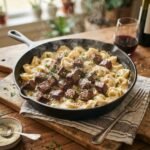
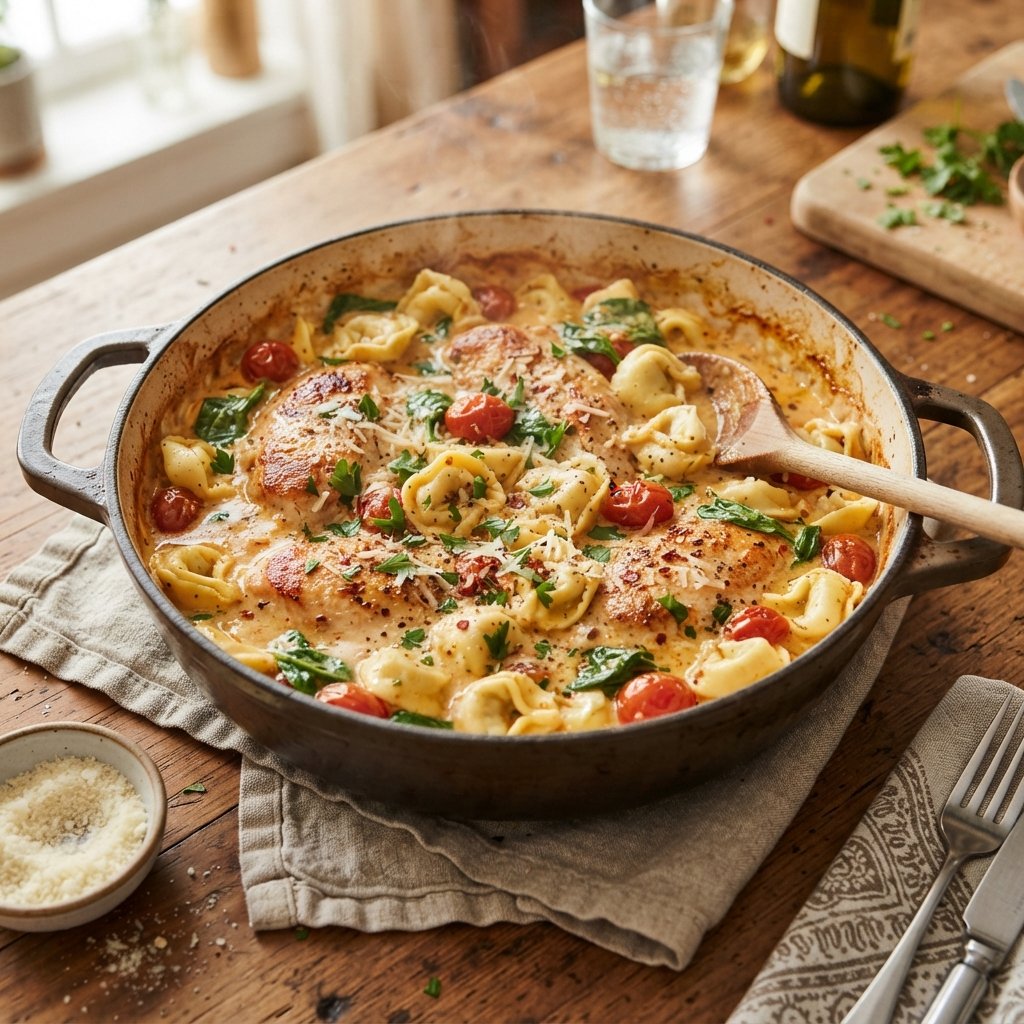
There is a specific kind of magic that happens when a weeknight dinner comes together in a single vessel, minimizing cleanup while maximizing flavor. Enter the One-Pot Spicy Garlic Butter Chicken Tortellini, a dish that perfectly marries the comfort of rich, buttery pasta with the satisfying heartiness of tender chicken and a kick of heat that wakes up the palate. This recipe is designed for the modern home cook who refuses to compromise on taste despite a busy schedule.
Imagine biting into a plump cheese tortellini that has absorbed a velvety, golden sauce infused with roasted garlic and a hint of chili. The chicken provides a savory anchor, while the garlic butter creates a luxurious coating that clings to every curve of the pasta. It is a symphony of textures and flavors—creamy, spicy, savory, and deeply satisfying. Whether you are feeding a hungry family or cooking for one with a generous appetite, this dish delivers restaurant-quality results with minimal effort and maximum impact.
The History
To understand this dish, we must look at two distinct culinary timelines: the ancient tradition of Italian pasta and the modern revolution of “one-pot” cooking.
The Legend of Tortellini
Tortellini, the ring-shaped stuffed pasta, hails from the regions of Emilia-Romagna, specifically Bologna and Modena. Legend has it that the shape was inspired by Venus’s navel, created by an innkeeper who peeked through a keyhole at the goddess. Traditionally, tortellini were served in a rich capon broth (tortellini in brodo). Over centuries, the filling evolved from simple meats and cheeses to the ricotta and parmesan blends we love today. While traditionally labor-intensive to make by hand, the modern dried or refrigerated versions have democratized this luxury, making it a staple in pantries worldwide.
The One-Pot Revolution
The concept of cooking pasta directly in the sauce, rather than boiling it separately and draining it, is a relatively recent phenomenon in home cooking. While risotto has always utilized this absorption method, applying it to standard pasta shapes gained massive traction in the 2010s. Cooks realized that the starch released by the pasta as it cooks in the liquid creates a naturally thickened, emulsified sauce without the need for heavy creams or roux. This “One-Pot” method not only saves time but also intensifies the flavor profile, as the pasta absorbs the seasoned broth and aromatics directly.
Ingredients Breakdown
Understanding the role of each component is key to mastering this recipe. Here is why we choose specific ingredients for the ultimate flavor profile.
- Cheese Tortellini: We use refrigerated cheese tortellini rather than dried. Refrigerated pasta cooks faster (usually in 3-5 minutes) and has a softer, more delicate texture that pairs beautifully with the buttery sauce. The cheese filling adds an extra layer of creaminess.
- Chicken Breast or Thighs: Chicken provides the protein backbone. Thighs offer more flavor and remain juicy even if slightly overcooked, while breasts are leaner. Cutting them into bite-sized pieces ensures they cook quickly and distribute evenly throughout the dish.
- Garlic: This is the star aromatics. We use a generous amount—far more than you might think necessary. As the garlic sautés in the butter, it mellows and sweetens, losing its raw bite and becoming the foundation of the sauce.
- Butter: Unsalted butter is preferred so you can control the sodium levels. It provides the fat necessary to carry the flavors of the garlic and spices, creating that signature glossy sheen on the pasta.
- Chicken Broth: Since the pasta cooks in the liquid, the broth becomes the sauce. A low-sodium, high-quality chicken broth is essential. Avoid water, as it will result in a bland dish; the broth infuses the pasta with savory depth.
- Red Pepper Flakes & Cayenne: This is where the “Spicy” comes in. Red pepper flakes offer a textured, slow-building heat, while cayenne pepper provides a sharper, more immediate kick. Adjusting these allows you to customize the heat level from a warm hum to a fiery blaze.
- Parmesan Cheese: Freshly grated Parmigiano-Reggiano adds a salty, umami punch that ties the butter and broth together, thickening the sauce slightly as it melts.
Step-by-Step Recipe Narrative
Creating this dish is a journey of layering flavors. It begins with the sear. You start by heating your large skillet or Dutch oven over medium-high heat. The goal here is to get a good golden-brown crust on the chicken pieces. This Maillard reaction is crucial; it locks in juices and creates flavorful browned bits (fond) at the bottom of the pan that will later dissolve into your sauce. Once the chicken is seared, remove it temporarily to prevent overcooking while you build the base.
Next, you lower the heat to medium and introduce the butter. As it melts and foams, you add the minced garlic. This step requires attention; you want the garlic to become fragrant and golden, but never brown or burnt, which would introduce bitterness. Once the garlic is sizzling happily, you deglaze the pan with a splash of the chicken broth, scraping up those delicious browned bits from the chicken.
Then comes the main event: adding the remaining broth, the spices, and the uncooked tortellini. The liquid should just barely cover the pasta. As the mixture comes to a boil, reduce the heat to a simmer. This is the absorption phase. Stir frequently to ensure the pasta doesn’t stick to the bottom. As the tortellini cooks, it releases starch, turning the thin broth into a luscious, creamy emulsion.
In the final minutes, you return the chicken to the pot to warm through and finish cooking. Finally, you stir in the Parmesan cheese and fresh parsley. The residual heat melts the cheese, thickening the sauce to a perfect coating consistency. The result is a cohesive dish where every element is integrated.
Tips for Success
- Watch the Liquid Levels: Every stove and pot is different. If the liquid evaporates before the pasta is tender, add a splash more broth or water. If there is too much liquid at the end, boil rapidly for a minute to reduce it.
- Don’t Overcook the Chicken: Since the chicken returns to the pot at the end, it only needs to be seared initially. It will finish cooking gently in the simmering sauce, ensuring it stays tender.
- Fresh Garlic is Best: Avoid jarred minced garlic for this recipe. Fresh cloves provide a brighter, more potent flavor that stands up to the butter and spice.
- Stir Frequently: Because the pasta cooks in the sauce, the starch can cause sticking. Frequent stirring ensures an even cook and a smooth sauce texture.
- Let it Rest: Once you turn off the heat, let the pot sit for 2-3 minutes before serving. This allows the sauce to thicken slightly and the flavors to meld.
Variations and Customizations
This recipe is a fantastic canvas for customization based on what you have in your fridge or your dietary preferences.
Add Vegetables
To boost the nutritional value and add color, toss in a handful of fresh baby spinach or chopped kale during the last 2 minutes of cooking. Sautéed mushrooms or sun-dried tomatoes added with the garlic also complement the buttery flavor profile beautifully.
Protein Swaps
While chicken is classic, this sauce pairs wonderfully with Italian sausage (remove the casing and crumble it), shrimp (add them in the last 3 minutes of cooking), or even crispy bacon bits for a smoky variation.
Creamier Version
For an ultra-indulgent version, stir in a splash of heavy cream or cream cheese along with the Parmesan at the end. This creates a rich Alfredo-style texture.
Gluten-Free
Simply swap the wheat tortellini for a high-quality gluten-free cheese tortellini. Note that gluten-free pasta may absorb liquid differently, so keep an eye on the broth levels.
Health Considerations and Nutritional Value
While this is a comfort food dish, understanding its nutritional profile helps in balancing your diet. The primary sources of calories here are the carbohydrates in the tortellini and the fats from the butter and cheese filling. A standard serving is energy-dense, making it excellent for active individuals or cold weather meals.
To make this dish lighter, consider using whole-wheat tortellini for added fiber, which aids in digestion and satiety. You can also reduce the amount of butter by half and supplement the liquid volume with extra low-sodium broth. Adding significant volumes of green vegetables like broccoli or spinach increases the vitamin content (specifically Vitamins A, C, and K) and fiber without adding many calories, helping to balance the macronutrients of the meal.
Ingredients
- 1 lb (450g) boneless, skinless chicken breasts or thighs, cut into bite-sized pieces
- 1 tablespoon olive oil
- 4 tablespoons unsalted butter, divided
- 6 cloves garlic, minced
- 1 teaspoon red pepper flakes (adjust to taste)
- 1/4 teaspoon cayenne pepper (optional, for extra heat)
- 1 package (20 oz / 560g) refrigerated cheese tortellini
- 3 cups low-sodium chicken broth
- 1/2 cup heavy cream (optional, for extra richness)
- 1/2 cup freshly grated Parmesan cheese
- Salt and black pepper to taste
- Fresh parsley, chopped (for garnish)
Directions
- Prep the Chicken: Season the chicken pieces generously with salt and black pepper.
- Sear the Chicken: In a large skillet or Dutch oven, heat the olive oil and 1 tablespoon of butter over medium-high heat. Add the chicken in a single layer. Cook for 3-4 minutes per side until golden brown. The chicken does not need to be cooked through yet. Remove chicken from the pan and set aside on a plate.
- Sauté Aromatics: Reduce heat to medium. Add the remaining 3 tablespoons of butter to the pan. Once melted, add the minced garlic, red pepper flakes, and cayenne. Sauté for 1-2 minutes until fragrant, being careful not to burn the garlic.
- Combine and Simmer: Pour in the chicken broth and scrape the bottom of the pan to release any browned bits. Add the uncooked tortellini and stir to combine. Bring the liquid to a boil.
- Cook the Pasta: Once boiling, reduce heat to a simmer. Cover the pan partially and cook for 5-7 minutes (or according to package instructions), stirring frequently to prevent sticking. The pasta is done when tender.
- Finish the Dish: Stir in the cooked chicken, heavy cream (if using), and Parmesan cheese. Simmer for another 2 minutes until the chicken is heated through and the sauce has thickened slightly.
- Serve: Taste and adjust seasoning with more salt or pepper if needed. Garnish with fresh chopped parsley and serve immediately.
FAQ
Can I freeze this dish?
While you can freeze it, the texture of the tortellini may become slightly mushy upon reheating. If freezing, slightly undercook the pasta. Store in an airtight container for up to 2 months. Thaw in the fridge overnight before reheating.
My sauce is too thin, what do I do?
If the sauce hasn’t thickened after the pasta is cooked, mix 1 teaspoon of cornstarch with 1 tablespoon of cold water and stir it into the simmering pot. Alternatively, boil rapidly without the lid for 2 minutes to reduce the liquid.
Can I use dried tortellini?
Yes, but dried tortellini takes longer to cook (usually 10-12 minutes). You will likely need to add an extra 1/2 to 1 cup of broth during the cooking process to ensure there is enough liquid for the pasta to absorb.
How spicy is this?
With 1 teaspoon of red pepper flakes, it has a mild to medium warmth. For a kid-friendly version, reduce the flakes to 1/4 teaspoon or omit the cayenne entirely.
Summary
This One-Pot Spicy Garlic Butter Chicken Tortellini combines tender chicken and cheese-filled pasta in a rich, emulsified sauce made directly in the skillet for maximum flavor and minimal cleanup. It is a customizable, weeknight-friendly comfort meal that balances savory garlic butter notes with a customizable kick of heat.