Introduction
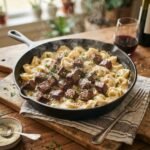
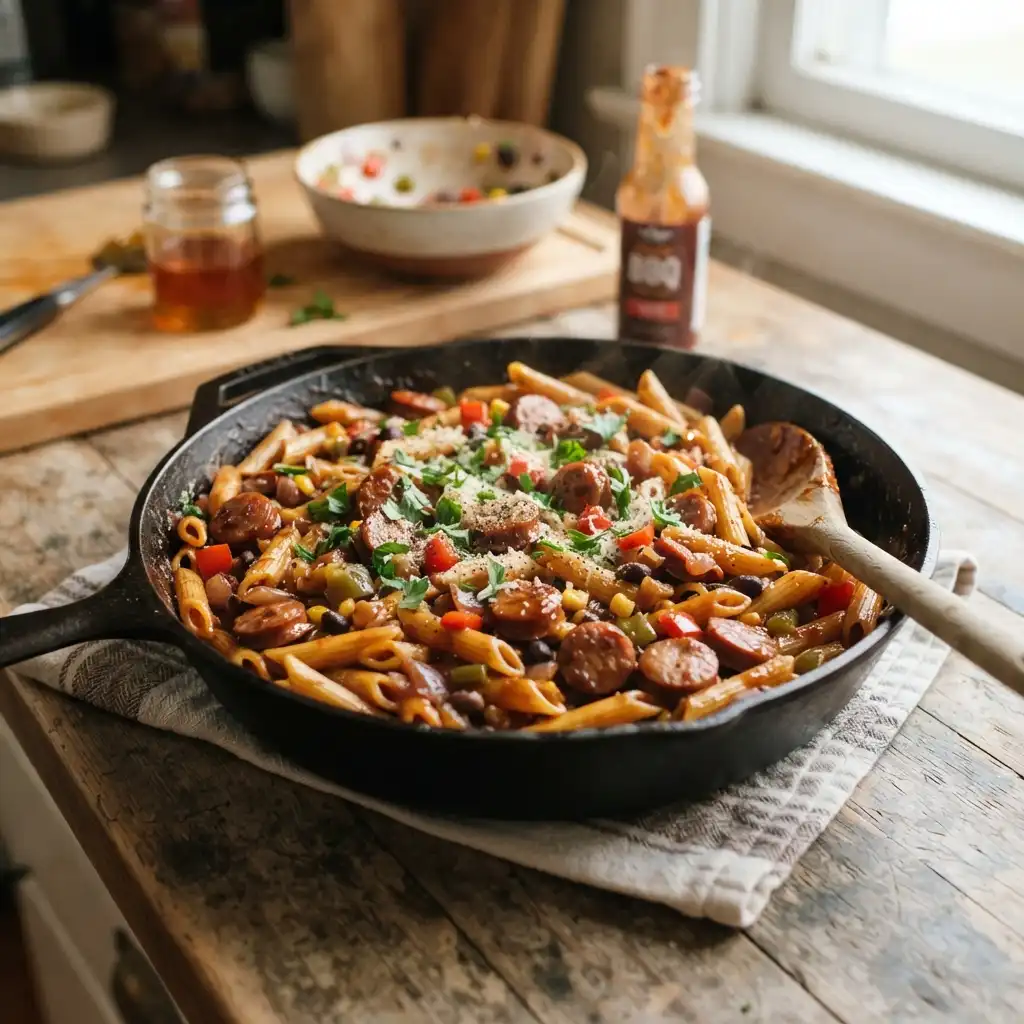
There are few culinary experiences quite as comforting as a steaming bowl of pasta that has been lovingly prepared in a single vessel, absorbing every nuance of flavor from the ingredients surrounding it. The One-Pot Bold Honey BBQ Sausage Pasta is not merely a dinner option; it is a testament to the magic of modern weeknight cooking, where depth of flavor meets unparalleled convenience. Imagine the smoky aroma of seared sausage mingling with the sweet, tangy zest of barbecue sauce, all unified by the sticky richness of golden honey and the hearty embrace of al dente noodles. This dish transcends the typical boundaries of Italian-American cuisine, borrowing heavily from Southern comfort food traditions to create a fusion that is both bold and satisfyingly cohesive.
Designed for the busy home cook who refuses to compromise on taste, this recipe eliminates the mountain of dishes that usually follows a gourmet meal. By cooking the pasta directly in the sauce, the starches release naturally, thickening the liquid into a luxurious glaze that clings to every bite. Whether you are feeding a hungry family after a long day of work, hosting a casual game night gathering, or simply treating yourself to a hearty meal without the fuss, this one-pot wonder delivers consistent, restaurant-quality results. The balance of sweet and savory is meticulously calibrated, ensuring that the honey enhances the BBQ sauce without overpowering the smokiness of the sausage. Prepare yourself for a meal that is robust, flavorful, and incredibly easy to clean up after.
The History
To truly appreciate the One-Pot Bold Honey BBQ Sausage Pasta, one must understand the culinary lineage that converges in this single pot. The concept of pasta cooked directly in sauce is not entirely new; it has roots in various traditional methods where resources were scarce, and efficiency was paramount. However, the modern “one-pot pasta” trend gained significant traction in the early 2010s, popularized by food bloggers and chefs who sought to streamline the cooking process without sacrificing the texture of the noodles. This technique revolutionized home cooking by proving that separate boiling pots were unnecessary if the liquid ratios were managed correctly.
The inclusion of barbecue sauce introduces a fascinating American subplot to this dish. Barbecue, with its deep roots in the Southern United States, varies wildly from the vinegar-based sauces of North Carolina to the thick, tomato-based molasses blends of Kansas City. The addition of honey to barbecue sauce is a classic modification, often used to caramelize meats and provide a glossy finish that appeals to a wide range of palates. When combined with smoked sausage, a staple in both Cajun and European cuisines, the dish becomes a melting pot of cultural flavors. The sausage brings a history of preservation and spicing, while the pasta offers the comfort of European tradition. Merging these elements into a one-pot format represents the evolution of comfort food in the 21st century: global flavors, local convenience, and maximum impact.
Ingredients Breakdown
Understanding the role of each component in this recipe is crucial for mastering the final flavor profile. This is not a dish where you can simply throw everything together without thought; each ingredient serves a specific structural and sensory purpose.
The Sausage
The star of the show is undoubtedly the sausage. For this recipe, a smoked kielbasa or a high-quality beef smoke sausage is recommended. The smoking process infuses the meat with a deep, woody aroma that stands up well against the strong flavors of the barbecue sauce. Unlike raw ground meat, smoked sausage is fully cooked, meaning it primarily needs to be browned to develop texture rather than cooked through for safety. This allows the casing to crisp up, providing a satisfying snap when bitten into, while the interior remains juicy and flavorful.
The Sauce Base
The liquid foundation is a hybrid of barbecue sauce and chicken broth. The barbecue sauce provides the primary flavor profile—smoky, sweet, tangy, and slightly spicy. However, using straight barbecue sauce can be too thick and overpowering. Diluting it with chicken broth allows the pasta to cook evenly without the sauce burning or becoming too gloopy. The broth also adds a layer of savory umami that balances the sweetness of the BBQ elements.
The Sweetener
Honey is the secret weapon in this recipe. While barbecue sauce already contains sugar, the addition of raw or pure honey introduces a floral sweetness that caramelizes beautifully during the simmering process. This helps to glaze the sausage and pasta, creating a sticky, cohesive coating that defines the dish. It also helps to counteract any excessive acidity from the tomato base of the BBQ sauce.
The Pasta
Short-shaped pasta is essential for one-pot meals. Penne, rotini, or fusilli are ideal because their nooks and crannies trap the sauce effectively. Long pasta like spaghetti can be difficult to manage in a single pot without breaking. The starch released from these short shapes during the boiling process is what naturally thickens the sauce, eliminating the need for a separate roux or slurry.
Aromatics and Vegetables
Onions and garlic form the aromatic backbone. Sautéing these before adding liquids ensures their flavors are bloomed and mellowed, removing any raw bite. Bell peppers or jalapeños can be added for crunch and heat, providing a textural contrast to the soft pasta and tender sausage.
Step-by-Step Recipe
Embarking on the cooking journey for this dish is a straightforward process, but attention to detail during each phase will elevate the final result from good to exceptional. Follow this narrative walkthrough to understand the flow of flavors.
Phase One: The Sear
Begin by preparing your sausage. Slice it into coins or half-moons, depending on your preference for bite-sized pieces. Heat a large, deep skillet or Dutch oven over medium-high heat. You do not need to add oil initially, as the sausage will render its own fats. Add the sausage slices in a single layer, ensuring they are not overcrowded. Allow them to sear undisturbed for a few minutes until a deep brown crust forms. This Maillard reaction is critical for developing complex flavors. Once browned, remove the sausage and set it aside temporarily to prevent it from becoming tough while the aromatics cook.
Phase Two: The Aromatic Foundation
In the same pan, utilizing the rendered sausage fat, add your diced onions and bell peppers. The fat carries the flavor of the meat into the vegetables, creating a cohesive taste profile. Sauté these until they are translucent and slightly softened. Add minced garlic towards the end of this stage, cooking it for only about thirty seconds until fragrant. Garlic burns easily, and burnt garlic introduces a bitter note that can ruin the sweetness of the honey BBQ glaze.
Phase Three: Deglazing and Building the Liquid
Pour in a small amount of the chicken broth to deglaze the pan. Use a wooden spoon to scrape up any browned bits stuck to the bottom; this is pure flavor gold. Once the bottom is clean, add the remaining broth, the barbecue sauce, and the honey. Stir well to combine. Bring the mixture to a gentle simmer. Taste the liquid at this stage; it should be slightly saltier and sweeter than you want the final dish to be, as the pasta will absorb the seasoning.
Phase Four: The Pasta Integration
Add the dry pasta directly into the simmering liquid. Ensure the pasta is fully submerged. If necessary, add a splash more water or broth. Cover the pan with a tight-fitting lid. This traps the steam, ensuring the pasta cooks evenly from all sides. Reduce the heat to medium-low. You want a steady simmer, not a rolling boil, which could break the pasta or cause the sauce to splatter.
Phase Five: The Finish
Cook for the time indicated on the pasta package, stirring occasionally to prevent sticking. As the liquid reduces, the sauce will thicken. About two minutes before the pasta is done, return the seared sausage to the pot. This allows the sausage to heat through and absorb some of the glaze without overcooking. Once the pasta is al dente and the sauce is glossy, remove from heat. Let it rest for five minutes; the sauce will continue to thicken as it cools slightly. Garnish with fresh herbs and serve immediately.
Tips
- Pan Selection Matters: Use a deep skillet or a Dutch oven with a heavy bottom. Thin pans may cause the sugar in the honey and BBQ sauce to burn before the pasta is cooked.
- Monitor Liquid Levels: Every stove and pan evaporates liquid at different rates. Keep an eye on the pot during the last five minutes of cooking. If it looks too dry, add a splash of water. If it looks too soupy, cook uncovered for a few extra minutes.
- Stir Frequently: Because of the high sugar content in the sauce, stirring is essential to prevent the bottom from scorching. Use a heat-resistant spatula to gently move the pasta around.
- Acidity Balance: If your barbecue sauce is very tangy, you may need to add a pinch of baking soda to neutralize the acidity, or simply add a bit more honey to balance the flavor profile.
- Cheese Garnish: While not traditional for BBQ, a sprinkle of sharp cheddar or gouda can add a creamy element that complements the smokiness beautifully.
- Resting Time: Do not skip the five-minute rest after cooking. This allows the pasta to absorb any remaining liquid and the sauce to set, ensuring it doesn’t run off the plate when served.
Variations and Customizations
The beauty of this recipe lies in its adaptability. You can tweak the ingredients to suit dietary needs or personal preferences without losing the core identity of the dish.
Spicy Kick
For those who enjoy heat, add diced jalapeños along with the onions or sprinkle in red pepper flakes during the sauté phase. You can also swap the standard smoked sausage for a spicy Andouille sausage to increase the thermal profile significantly.
Creamy Version
To create a “BBQ Ranch” fusion, stir in a quarter cup of cream cheese or heavy cream during the final two minutes of cooking. This creates a pink-hued sauce that is richer and mellower, softening the tang of the barbecue.
Vegetarian Adaptation
Replace the sausage with plant-based sausage links or hearty chunks of portobello mushrooms. Use vegetable broth instead of chicken broth. The smoky flavor can be maintained by adding a drop of liquid smoke to the sauce mixture.
Protein Swap
While sausage is traditional, diced chicken thighs or even shrimp work well. If using chicken, ensure it is browned thoroughly before adding liquids. If using shrimp, add them in the last three minutes of cooking to prevent them from becoming rubbery.
Gluten-Free
Simply substitute the wheat pasta for a high-quality brown rice or corn-based gluten-free pasta. Be aware that gluten-free pasta often absorbs liquid differently, so you may need to adjust the amount of broth slightly.
Health Considerations and Nutritional Value
While this dish is primarily designed for comfort and flavor, there are ways to approach it with health in mind. Barbecue sauce and processed sausage can be high in sodium and added sugars. To mitigate this, look for low-sodium barbecue sauces or make your own using tomato paste, vinegar, and natural sweeteners. Choosing chicken sausage over beef or pork sausage can reduce the saturated fat content significantly.
Nutritionally, this meal provides a substantial amount of carbohydrates from the pasta, which serves as the primary energy source. The sausage offers protein and fats, contributing to satiety. To increase the nutritional density, consider bulkings the dish with vegetables. Adding spinach, kale, or broccoli florets in the last few minutes of cooking introduces fiber, vitamins, and minerals without altering the flavor profile drastically. Portion control is key, as the calorie density can be high due to the sauce and meat. Pairing a smaller portion of the pasta with a large side salad can create a more balanced meal structure.
Ingredients
- 1 pound smoked sausage (kielbasa or beef smoke sausage), sliced into coins
- 1 medium yellow onion, diced
- 1 bell pepper (any color), diced
- 3 cloves garlic, minced
- 12 ounces short pasta (penne, rotini, or fusilli)
- 2 cups chicken broth (low sodium preferred)
- 1 cup barbecue sauce (Kansas City style works best)
- 3 tablespoons honey
- 1 tablespoon olive oil (if needed for sautéing)
- 1 teaspoon smoked paprika
- Salt and black pepper to taste
- Fresh parsley or chives, chopped (for garnish)
- Shredded cheddar cheese (optional, for serving)
Directions
- Prepare all ingredients by slicing the sausage, dicing the vegetables, and measuring out the liquids before turning on the heat.
- Heat a large deep skillet or Dutch oven over medium-high heat. Add the sliced sausage and cook until browned on both sides, about 5-7 minutes. Remove sausage from the pan and set aside.
- In the same pan, add the olive oil if necessary. Add the diced onion and bell pepper. Sauté for 4-5 minutes until softened.
- Add the minced garlic and smoked paprika. Cook for 1 minute until fragrant, being careful not to burn the garlic.
- Pour in the chicken broth to deglaze the pan, scraping up any browned bits from the bottom with a wooden spoon.
- Stir in the barbecue sauce and honey until fully combined with the broth. Bring the mixture to a simmer.
- Add the dry pasta to the skillet. Stir to ensure all noodles are submerged in the liquid.
- Cover the pan with a lid, reduce heat to medium-low, and simmer for 10-12 minutes, stirring occasionally to prevent sticking.
- When the pasta is nearly tender, return the cooked sausage to the pan. Stir to combine.
- Continue cooking uncovered for 2-3 minutes until the sauce thickens to a glaze consistency and the pasta is al dente.
- Remove from heat. Season with salt and black pepper to taste.
- Let rest for 5 minutes, then garnish with fresh parsley and shredded cheese before serving.
FAQ
Can I freeze the leftovers?
Yes, this dish freezes well. Allow it to cool completely before transferring to an airtight container. It can be frozen for up to 3 months. Note that the pasta may soften slightly upon reheating.
How do I reheat this without drying it out?
Reheat in a skillet over low heat with a splash of water or broth to loosen the sauce. Microwaving is also an option, but cover the dish to retain moisture and stir halfway through.
Can I use different types of barbecue sauce?
Absolutely. A spicy BBQ sauce will add heat, while a hickory smoked sauce will enhance the smokiness. Avoid vinegar-heavy Carolina styles as they may be too thin and acidic for this recipe.
Why is my pasta still crunchy?
This usually means the liquid evaporated too quickly. Add a half-cup of warm water or broth, cover, and continue simmering until the pasta is tender.
Is this dish spicy?
The standard recipe is mild to medium due to the BBQ sauce. To make it kid-friendly, use a mild BBQ sauce and omit the paprika or pepper flakes.
Summary
This One-Pot Bold Honey BBQ Sausage Pasta combines smoky sausage, sweet honey, and tangy barbecue sauce for a quick, flavorful meal. Enjoy a hearty dinner with minimal cleanup by cooking everything together in a single skillet for maximum convenience.